
When the campus is gone: keeping postgraduate supervision visible under disruption in Gaza
What does postgraduate supervision need to look like when the usual structures of higher education have been severely disrupted?


EduExe blog
Category
What does postgraduate supervision need to look like when the usual structures of higher education have been severely disrupted?
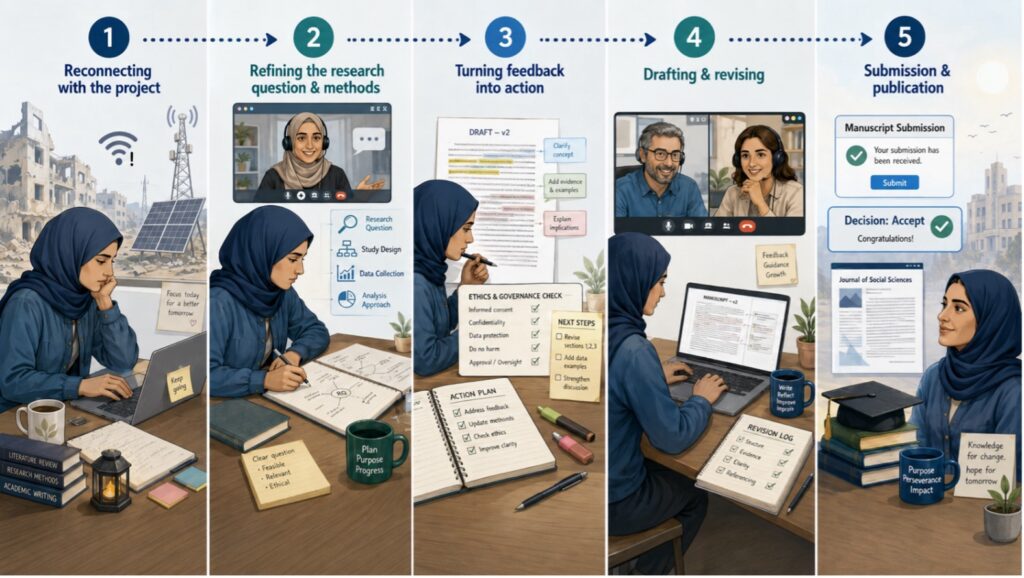
When students are studying through conflict and the collapse of ordinary university structures, academic progress can become fragile very quickly.

This blog post outlines how the BSc Biomedical Sciences program has embedded TrEF and integrated the United Nations Sustainable Development Goals (SDGs) into its curriculum.

Decolonising medicine starts in the classroom After completing the 'Decolonising Medicine' module, four fellow Medical Sciences students and I wanted to explore this topic further.

This post reflects on how two strands of published research on medicine safety were used to design scaffolded learning for safer prescribing.
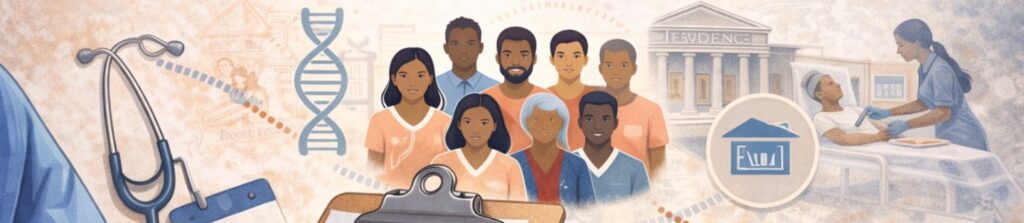
How do we teach pharmacology in a way that prepares nurses to deliver safe, person-centred care for all patients, not only those who look like the “average” person in the evidence base?

Providing palliative and end of life care during the peaks of the COVID-19 pandemic had profound negative impacts on the mental health and wellbeing of healthcare workers.

A student-led mentoring initiative is bridging a crucial gap in placement preparation by pairing students who have successfully completed their placements with those just beginning the process, offering insider insights, guidance, and confidence-building support.

Your students are likely already using AI (Artificial Intelligence), with recent research indicating a 26% rise in usage from 2024-25.

How can we ensure that, as educators, we are teaching students locally but preparing them to think and act globally?

Where is shared decision-making in the medical school curriculum? What was the problem?

In higher education there is a growing trend in to incorporate the United Nations Sustainable Development Goals (SDG) into undergraduate education.

The University of Exeter Medical School (UEMS) has seen an expansion in student numbers of more than 70% since 2018.

If we want students to know what is expected of them in an assessment it is critical to have a set of marking criteria that make transparent how they will be assessed.

As educators, we must continue to explore new approaches to assessment that not only assess student learning but also cultivate a deeper understanding of the complex issues at the heart of decolonisation.

Authentic assessment refers to a wide variety of educational and instructional techniques focused on connecting what students are taught to real-world issues, problems, and applications, mirroring the complexities and ambiguities of real life.

Students on the second year, 30-credit module ‘Disease, diagnostics and therapeutics’ (CSC2012), engage with a range of formative and summative assessment tasks that help them develop their assessment literacy and evaluative judgement.

Written essays play a significant role in the university assessment ecosystem, but are challenging to mark at scale and when overused don’t generally offer much added value to the student.

A group of Exeter medical students established ‘Melanin Matters’ to expand the dialogue surrounding ethnic diversity in medicine, with a view to facilitate curriculum change which better reflects the global patient population.

Student engagement is a hot topic in education at the moment, and gamification is one way we can create effective and engaging learning environments for our students.

The COVID-19 pandemic has accelerated many changes in higher education, including a greater focus on online learning. However, another key trend has been growing efforts to incorporate the UN's Sustainable Development Goals (SDGs) into university curricula.

The pandemic has put student mental health under the spotlight. With all the changes in higher education, how do we make sure wellbeing stays front and centre?

Online assessments provide flexibility but also opportunities for misconduct. Some reports estimate that 1 in 6 students have cheated (Wonkhe, 2022), others suggest the figure is 1 in 14, with 3 in 5 engaging in poor academic conduct (THE, 2022).

Colleagues from across the Medical Sciences programme, led by Dr David MacDonald, Dr Dominic Wiredu Boakye, Dr Shalinee Dhayal and Dr Hannah Welters, support students within Academic Tutor Group sessions and activities to develop their academic and professional skills, including their awareness of assessment skills.

Following the successful development of its first global online course in primary care, the College of Medicine and Health have gone one step further: delivering the course on site in Rwanda.
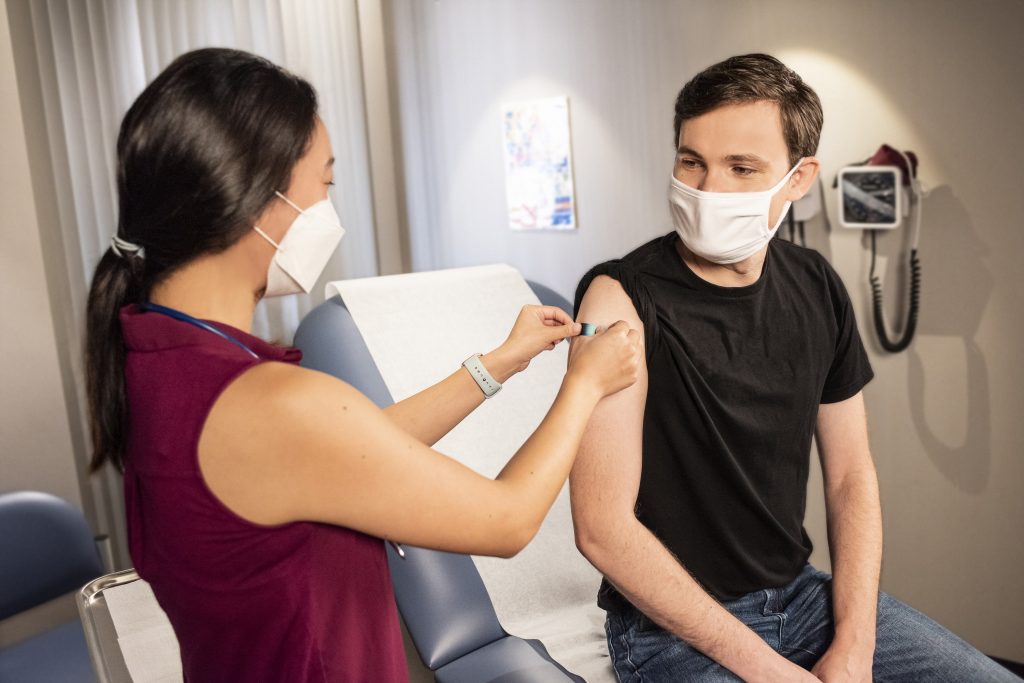
The COVID-19 pandemic has highlighted the importance of health emergency preparation, forward planning and robust outbreak management systems.

Over 500 people from around the world attended the University’s first Festival of Compassion in November. Held over 10 days, the festival hosted a wide range of free online and on-campus activities to explore how we can foster compassion to build stronger communities.

Research shows that females are more likely than males to form negative emotions about their abilities to perform mathematics or sciences, and that these perceptions take root at a young age.

Except amongst the youngest of students, playfulness is not usually a characteristic promoted by the curriculum or encouraged by teachers.

At the start of a new academic year, now is a good time to pause and reflect for a moment on how the University responded to the unprecedented challenge of the COVID-19 pandemic, and what we can learn from that response.
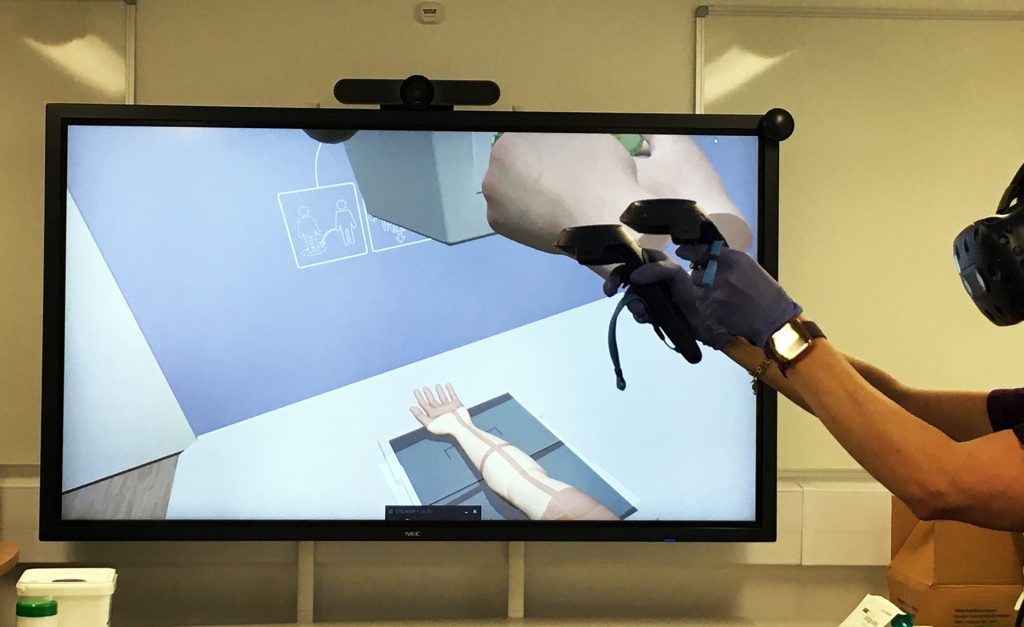
Diagnostic Radiography students in Medical Imaging at the University of Exeter College of Medicine and Health have been using virtual reality (VR) x-ray rooms, allowing them to enhance their clinical skills training by practising techniques learned in their x-ray room sessions.

From in-class tests to essays to presentations, there are many ways in which module leads can assess their students’ understanding.
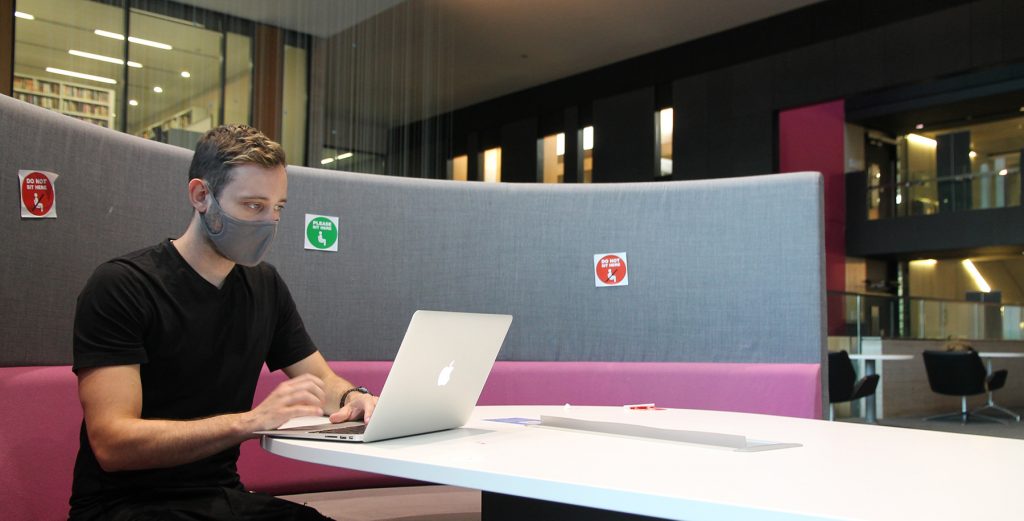
Teaching students who join a session together, either from campus or online, has become an increasing feature of the last 12 months.
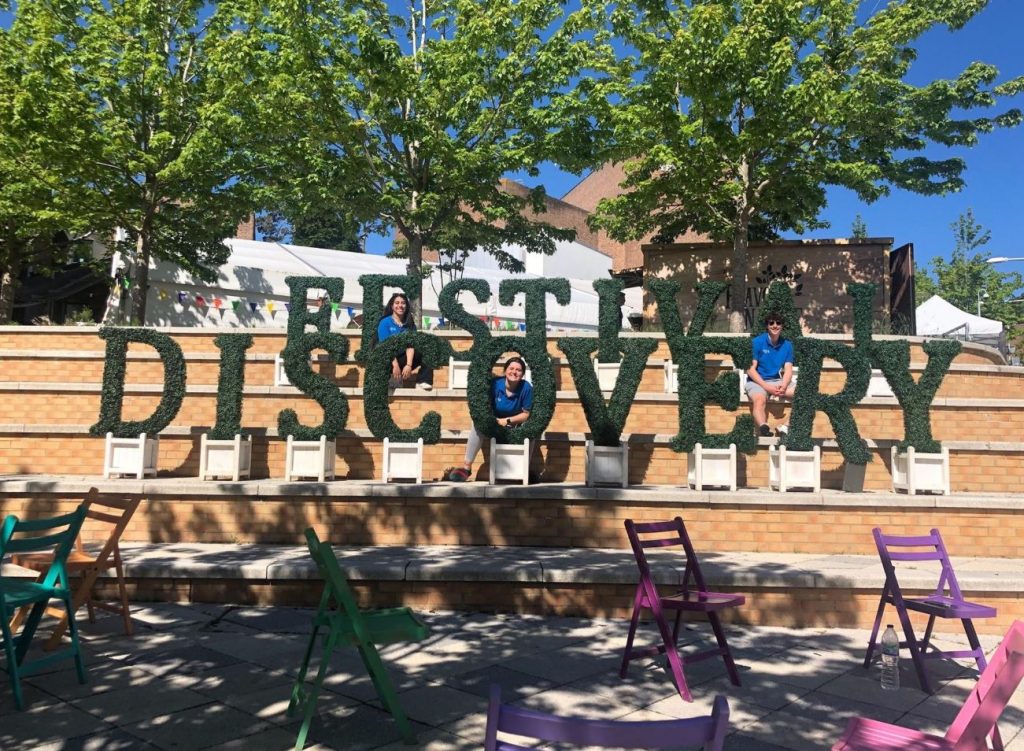
Over 400 events took place on campus in the University’s inaugural Festival of Discovery. Held over a 2-week period from late May, the event aimed to bring our whole university community closer together to enjoy a range of on-campus and online activities.
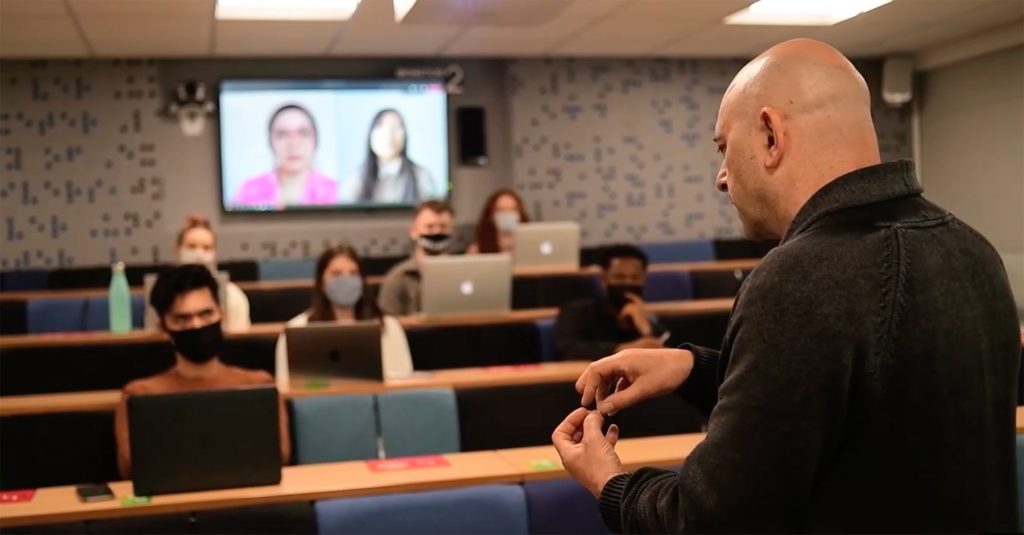
One of the many challenges faced by educators over the last year is delivering teaching concurrently to both students present in the room and also joining online through Teams or Zoom.

University life is about more than just studying. It’s about building social connections – friendships and relationships that can shape you forever.
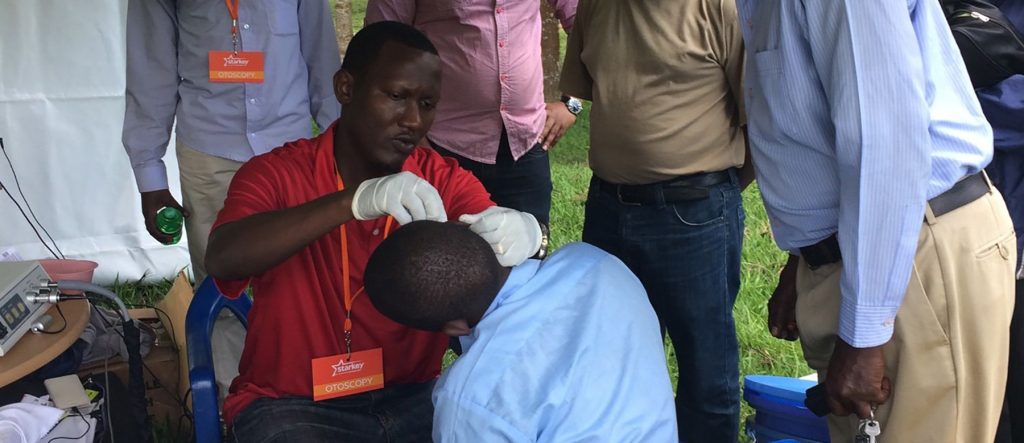
The COVID-19 pandemic has placed the importance of public health and primary care into sharp focus – not only in treating people with Covid, but to facilitate vaccine distribution.
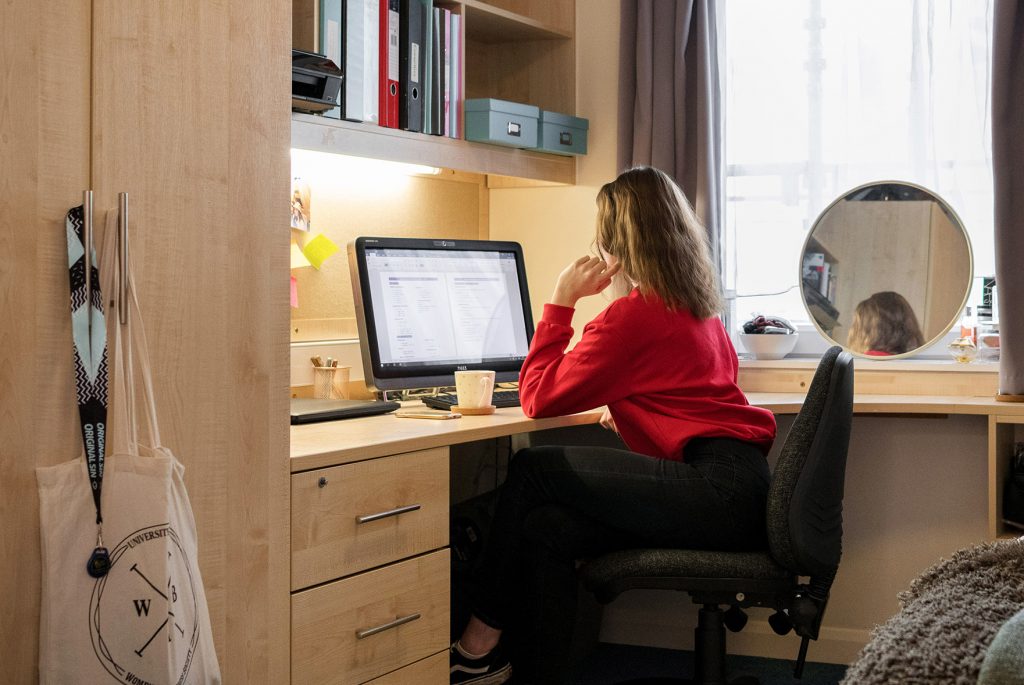
For many students, the accelerated move to digital learning in 2020/21 has posed a number of challenges. But it’s also had its advantages.

In April 2020, the University of Exeter faced the same dilemma as most other universities: how to move most or all of its teaching online in just a few months?
Choose which optional services may run. Necessary cookies used to make the website work are not affected.
Allows analytics tools to measure how the website is used.
Allows content from third-party services such as YouTube to load.