
Students as Partners in Developing the University’s Spatial Digital Estate
How authentic work experience with Digital Estates is helping Geography students develop professional skills while contributing to the University’s digital transformation.


EduExe blog
Category
How authentic work experience with Digital Estates is helping Geography students develop professional skills while contributing to the University’s digital transformation.
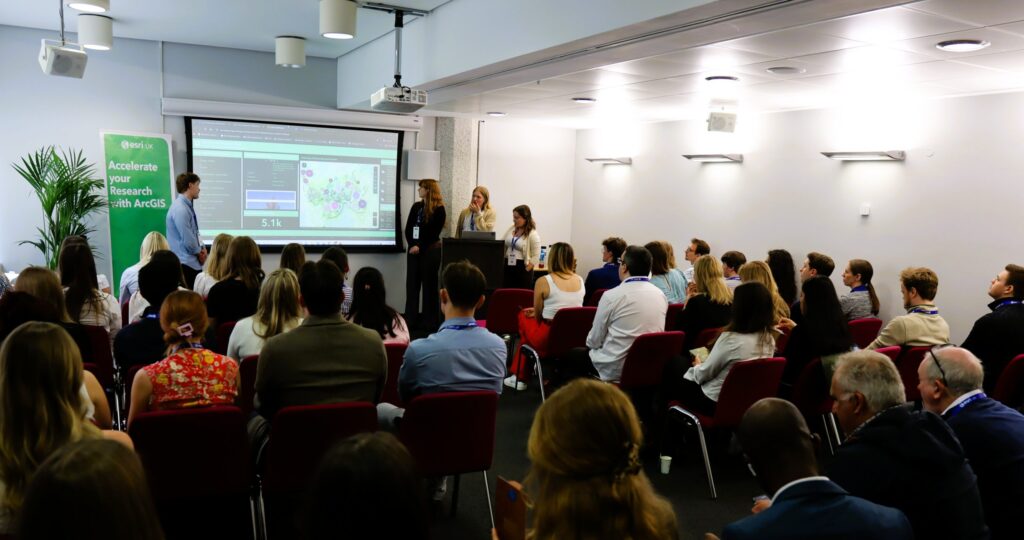
How a long-standing collaboration between the University of Exeter and Esri UK is using alumni to inform curriculum design, strengthen professional networks, and prepare students for an evolving geospatial profession.
In this post, I reflect on how submitting my ASPIRE PRP fellowship application forced me to rethink the educator's role – arguing that true engagement emerges not from being the smartest person in the room, but from strategically stepping aside.

While the teaching of research methods is core to social science and cognate disciplines, pedagogic attention to research methods education has been conspicuously lacking.

Drawing on academic debates and new teaching practices at Exeter, this article explores the potential employability benefits of engaging learners with transformative field-based teaching.

In this blogpost we reflect on the current state of education in UK Higher Education Business Schools. We pose a series of radical questions, explain why they matter, and conclude with a challenge.
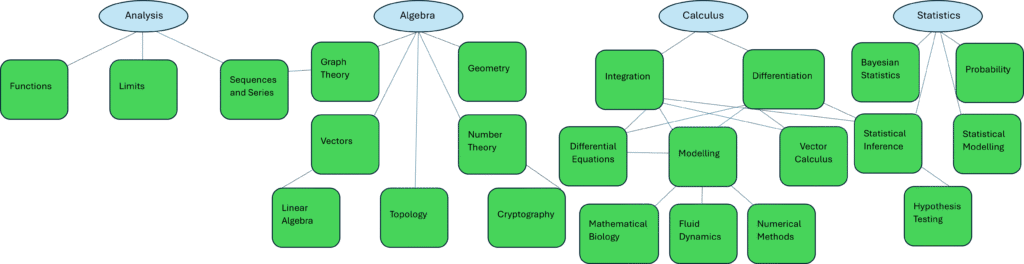
In this post, Rhianna Sookhy and Luke Garner reflect on the hidden structure of Mathematics Education. By analysing prerequisite knowledge structures within a mathematics degree, and exploring the extent to which these structures are made transparent to both students and educators, they identify the importance...

At the University of Exeter, the Education Incubator supports innovative ideas that have the potential to transform teaching and learning.

A transformative project for equitable climate leadership, Breaking Barriers: Climate Leadership & You centres the voices and leadership of Global Majority and under-represented communities.

Reflection is an essential skill, yet shallow or uncritical engagement can compromise its purpose and usefulness. This blog explores a clearer, process-focused model of reflective practice to support meaningful and inclusive learning.

In the final instalment of this series on teaching at scale, we explore effective approaches to leading and coordinating a teaching team.

In part 7 of this series on teaching at scale the focus is on student support. When 500+ students are relying on you, student support needs to be proactive, streamlined, and scalable.

Part 6 of our series on teaching at scale explores the topic of assessment. With 500+ students, your assessment plan has to work for everyone, from students and staff to systems and schedules.

In part 5 of this series of posts, Dr Cliff Li and the Team from the University of Exeter Business School have some tips to help us to address issues of diversity and challenge.

We know that student belonging doesn’t scale automatically, especially in a module of 500+. In this post, the fourth in a series from colleagues at the University of Exeter Business School on teaching large modules, we discuss how using pro-social learning approaches can create belonging...
Most STEM programmes require high standards of proficiency in maths at undergraduate level and failure to meet sufficiently high grades in maths is a key reason for students not achieving an undergraduate place.

In part three of our guidance around teaching large cohorts, the team from the University of Exeter Business School are discussing flipped learning.
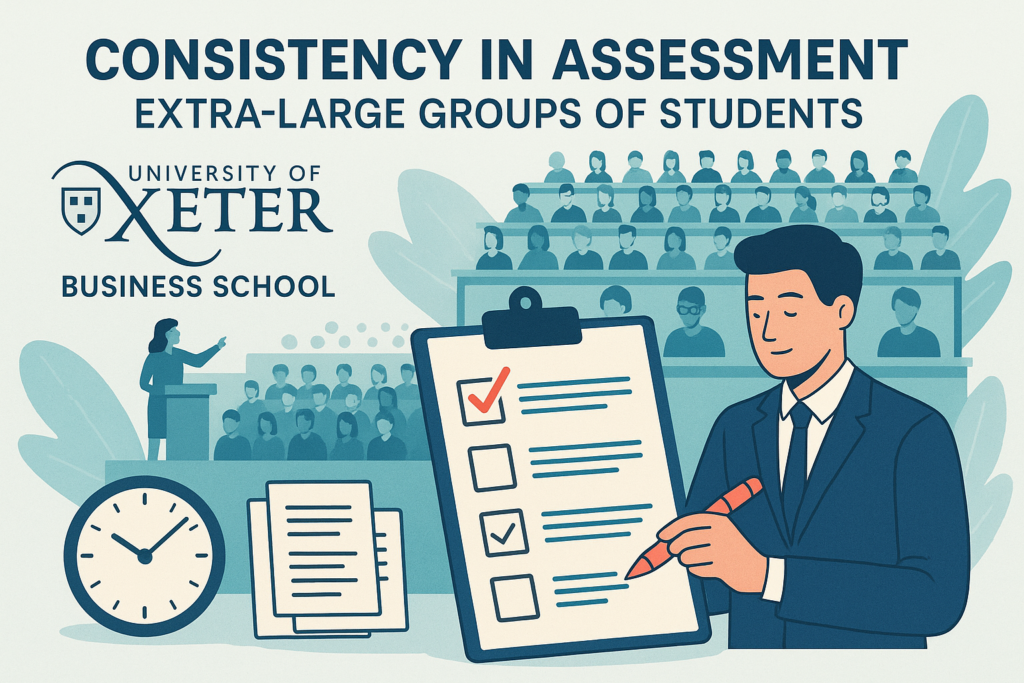
In the second of our blog series on leading extra large modules, the team from the University of Exeter Business School are concentrating on consistency in assessment.

When your module enrols 500+ students, clarity, consistency and creativity in design are essential. Here’s how to plan with confidence.
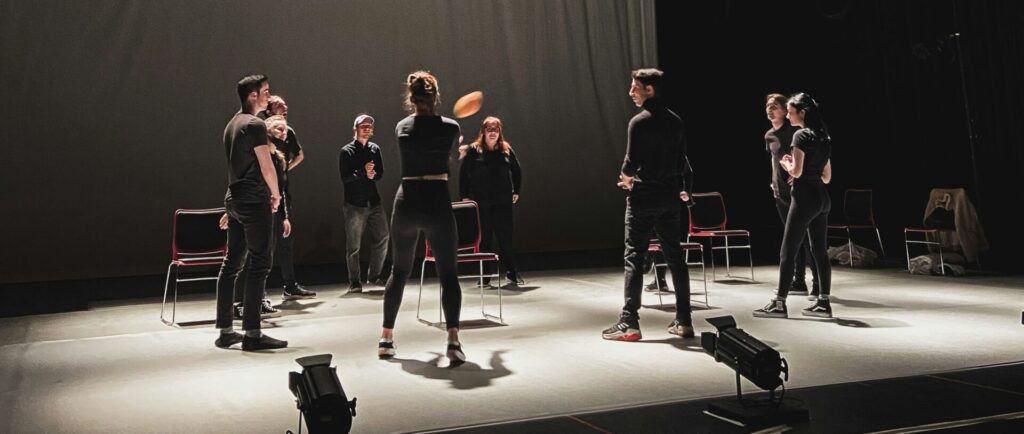
How can we ensure that different standpoints, particularly those often silenced and neglected, are included and that students play an active role in making their experience of learning truly memorable and transformative?
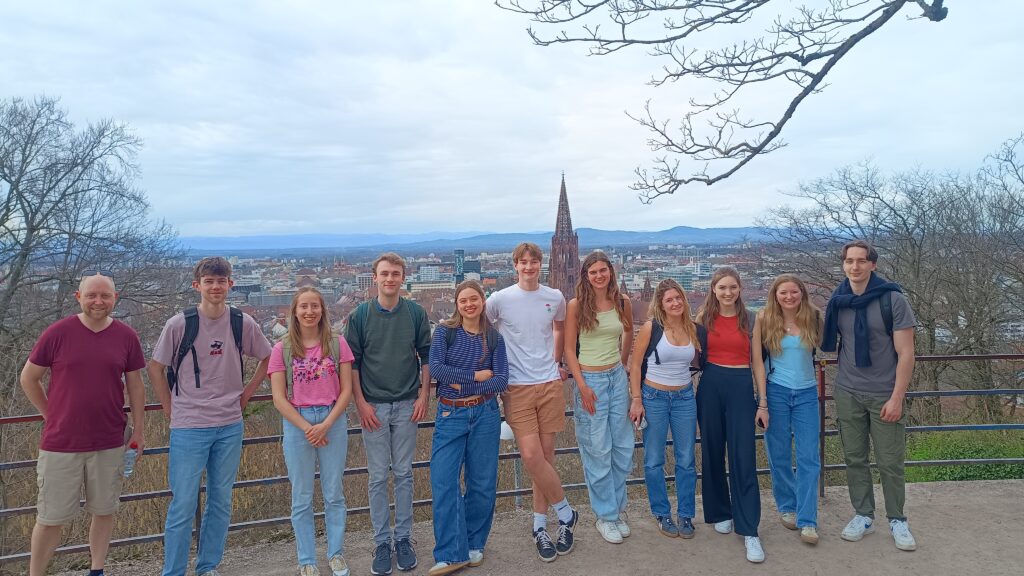
Field courses provide important and potentially transformational learning opportunities across a range of disciplines. Yet, a wealth of literature spanning several decades highlights the significant complexities and barriers of this area of pedagogy in relation to Equality, Diversity and Inclusion (EDI).

As concerns about student use of AI in assessments grow, a knee-jerk reaction to increase in person exams may lead to unsustainable practices.

Educators, researchers, postgraduate students from across disciplines came together in December 2024 for a workshop organised by the Exeter Centre of Mathematical Sciences (ExCMS) and led by Dr Houry Melkonian (Mathematics & Statistics) to explore boundary connections for interdisciplinary interactions.

Artificial Intelligence (AI) is transforming education at an unprecedented pace, yet its role in higher education remains a subject of debate.

Mathematics at the university level is no walk in the park. Many students, including ourselves, have found it challenging not just to grasp complex concepts but also to adapt to a new learning environment.

Since the Covid-19 pandemic we have seen an increase in fully online asynchronous courses, and launch of the University of Exeter Centre for Online.

Why playful learning? Industry values graduates with a collaborative mindset who can deliver impactful work.

Generative AI promises to transform the world of work. Graduates with skills in ethical and proactive use of such tools are in great demand.

Developing students' professional skills is crucial for their career readiness. But how can educators integrate those practical abilities into academic coursework?

The COVID-19 pandemic has accelerated many changes in higher education, including a greater focus on online learning. However, another key trend has been growing efforts to incorporate the UN's Sustainable Development Goals (SDGs) into university curricula.

Moving to a new country for university can be tough. You're far from home in an unfamiliar environment and you need to figure out your career too!

Online courses have gained a somewhat negative perception over the years. Some believe that they lack the quality and credibility of traditional in-person education.

Reflective writing can be a powerful tool to improve student learning outcomes in university courses. However, many first-year students lack the skills to write reflectively.

Professors Layal Hakim and Peter Ashwin recently ran an insightful session exploring how the two different thinking systems proposed by psychologist Daniel Kahneman affect learning maths.

The pandemic has put student mental health under the spotlight. With all the changes in higher education, how do we make sure wellbeing stays front and centre?

Professor Beverley Hawkins, Associate Dean for Education in the University of Exeter Business Schools, shares her top tips for teach large cohorts of students - and keeping them engaged!

In light of recent revelations about the personal life of one of the most infamous quantum physicists, it is time we re-measured Schrödinger’s legacy?

Job hunting can be a stressful activity – just ask any recent graduate. The interview, or several.

In 2022, the Royal Albert Memorial Museum (RAMM) in Exeter presented a collection of 14 alternative blue plaques created by students who were part of the Global Lives: Multicultural Geographies module taught by Professors Nicola Thomas and Ian Cook.

To improve feedback in Biosciences Streatham, Dr. Alan Brown and Katie Solomon introduced marking and feedback guidelines for 2021/2022.

Dr Layal Hakim, Senior Lecturer and Co-Director of Education and Student Experience in Mathematics and Statistics, shares some effective approaches for supporting students with exams and assessments.

The COVID-19 pandemic has accelerated the adoption of online teaching and learning. But how do we make sure it blends effectively with more traditional learning approaches?

What do Engineering and German have in common? You might think of car manufacturing – Vorsprung durch Technik – or perhaps your washing machine.

How might the tools of mindfulness and playfulness offer students of demanding subjects like Classics and Mathematics a more fun and stress-free learning experience?
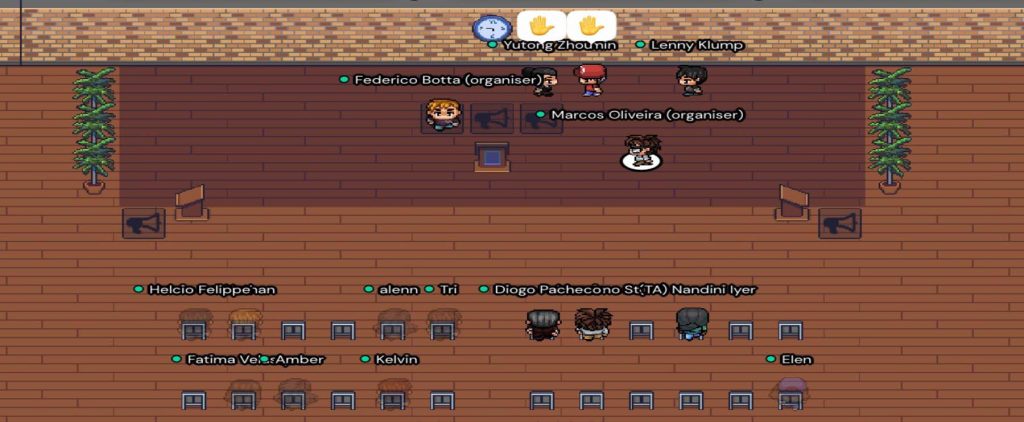
With so many different options for postgraduate study, it can be difficult for students to decide what or where to study.

Research shows that females are more likely than males to form negative emotions about their abilities to perform mathematics or sciences, and that these perceptions take root at a young age.

At the start of a new academic year, now is a good time to pause and reflect for a moment on how the University responded to the unprecedented challenge of the COVID-19 pandemic, and what we can learn from that response.

For many of us, our perceived ability at maths will be influenced by cultural bias – such as the view that maths is predominantly a male field, or an innate talent.
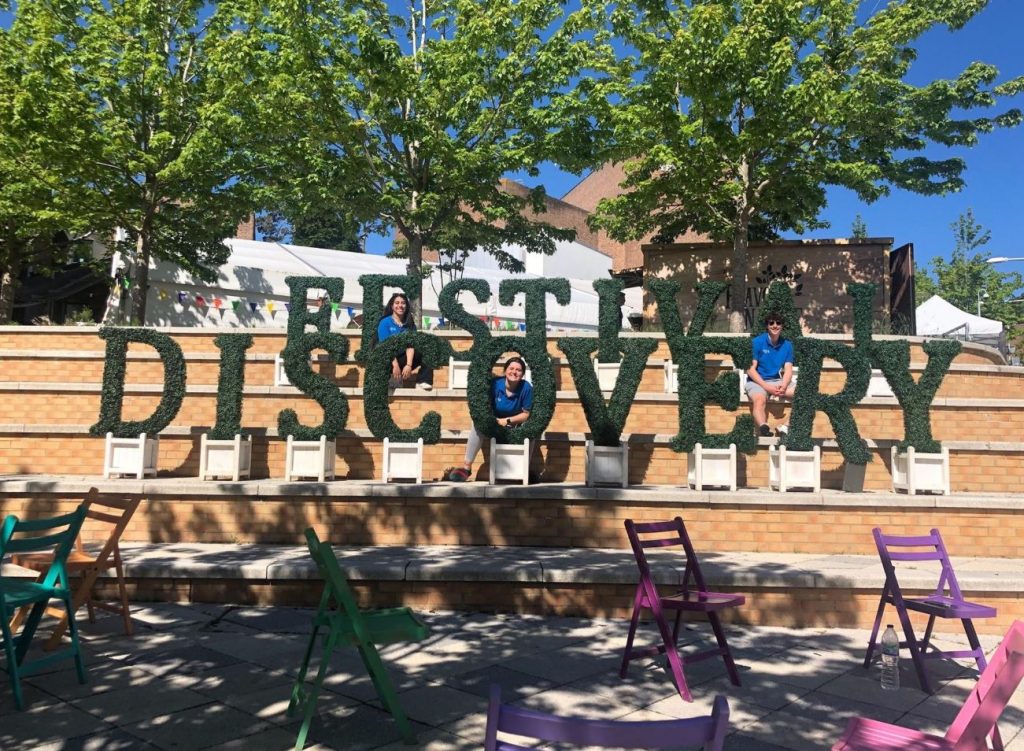
Over 400 events took place on campus in the University’s inaugural Festival of Discovery. Held over a 2-week period from late May, the event aimed to bring our whole university community closer together to enjoy a range of on-campus and online activities.
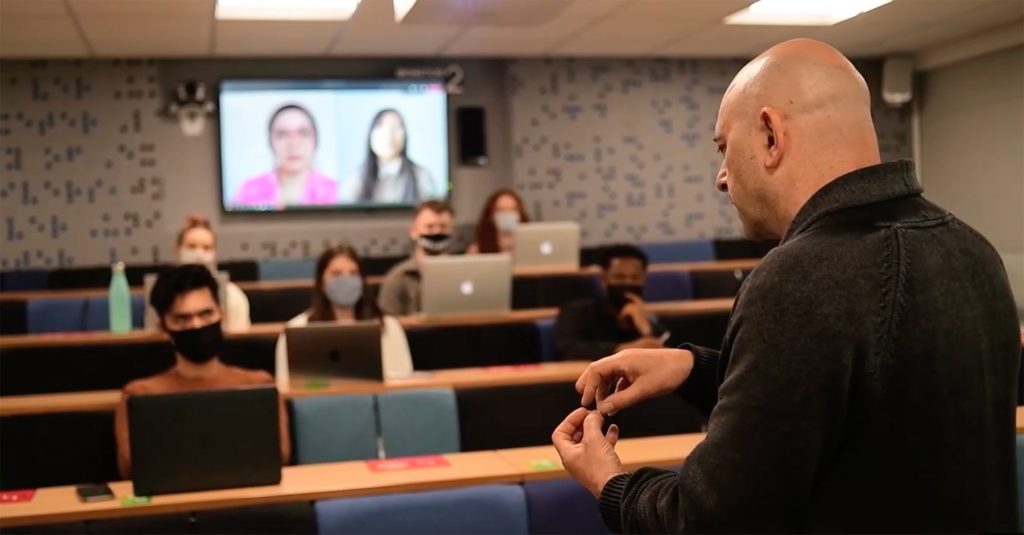
One of the many challenges faced by educators over the last year is delivering teaching concurrently to both students present in the room and also joining online through Teams or Zoom.

Since autumn 2020, Physics students at the University of Exeter have been working with real-life quantum computers, thanks to the IBM Quantum Educators Program.

University life is about more than just studying. It’s about building social connections – friendships and relationships that can shape you forever.

For many students, the accelerated move to digital learning in 2020/21 has posed a number of challenges. But it’s also had its advantages.

In April 2020, the University of Exeter faced the same dilemma as most other universities: how to move most or all of its teaching online in just a few months?

For departments like Geography and the Camborne School of Mines, the COVID-19 pandemic has posed a particularly difficult challenge.
Choose which optional services may run. Necessary cookies used to make the website work are not affected.
Allows analytics tools to measure how the website is used.
Allows content from third-party services such as YouTube to load.