
Transforming education to transform the world
In its Strategy 2030, the University of Exeter has pledged ‘to use the power of education and research to create a sustainable, healthy, and socially just future’.


EduExe blog
In its Strategy 2030, the University of Exeter has pledged ‘to use the power of education and research to create a sustainable, healthy, and socially just future’.

Following the successful development of its first global online course in primary care, the College of Medicine and Health have gone one step further: delivering the course on site in Rwanda.

Rachel Sloan and Dr Lisa Alberici are well known at the University of Exeter for their dedication to supporting student learning and their passion for puzzles.

The COVID-19 pandemic has accelerated the adoption of online teaching and learning. But how do we make sure it blends effectively with more traditional learning approaches?

What do Engineering and German have in common? You might think of car manufacturing – Vorsprung durch Technik – or perhaps your washing machine.
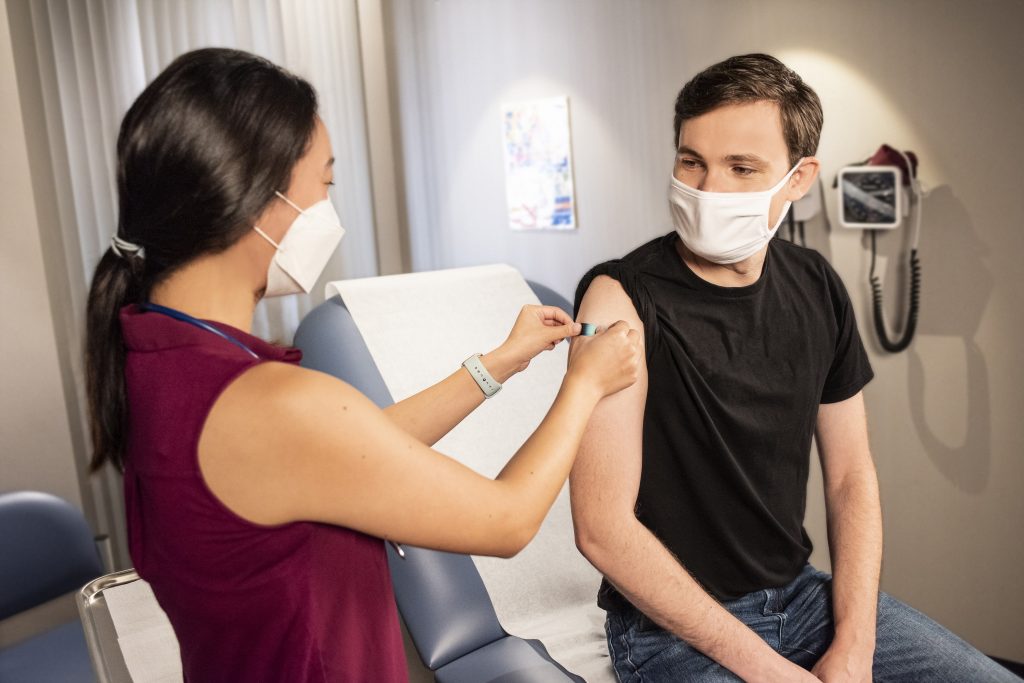
The COVID-19 pandemic has highlighted the importance of health emergency preparation, forward planning and robust outbreak management systems.

Over 500 people from around the world attended the University’s first Festival of Compassion in November. Held over 10 days, the festival hosted a wide range of free online and on-campus activities to explore how we can foster compassion to build stronger communities.

How might the tools of mindfulness and playfulness offer students of demanding subjects like Classics and Mathematics a more fun and stress-free learning experience?
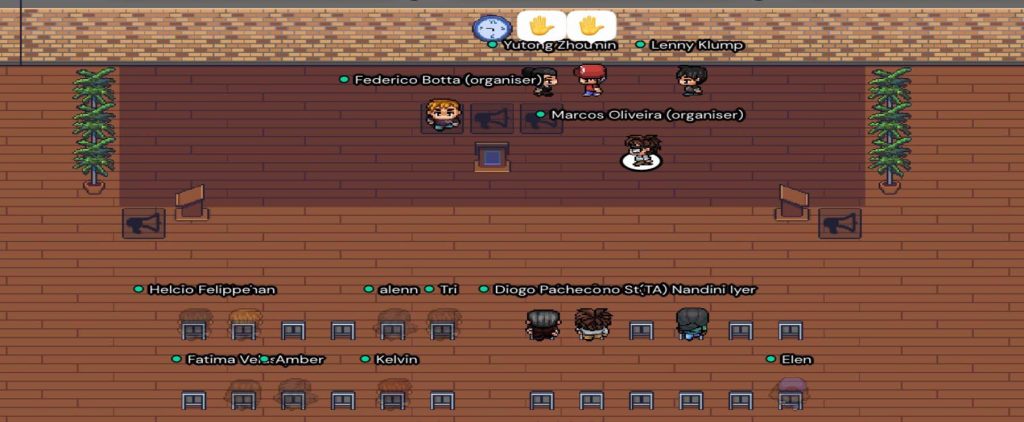
With so many different options for postgraduate study, it can be difficult for students to decide what or where to study.

Research shows that females are more likely than males to form negative emotions about their abilities to perform mathematics or sciences, and that these perceptions take root at a young age.

Except amongst the youngest of students, playfulness is not usually a characteristic promoted by the curriculum or encouraged by teachers.

At the start of a new academic year, now is a good time to pause and reflect for a moment on how the University responded to the unprecedented challenge of the COVID-19 pandemic, and what we can learn from that response.

For many of us, our perceived ability at maths will be influenced by cultural bias – such as the view that maths is predominantly a male field, or an innate talent.
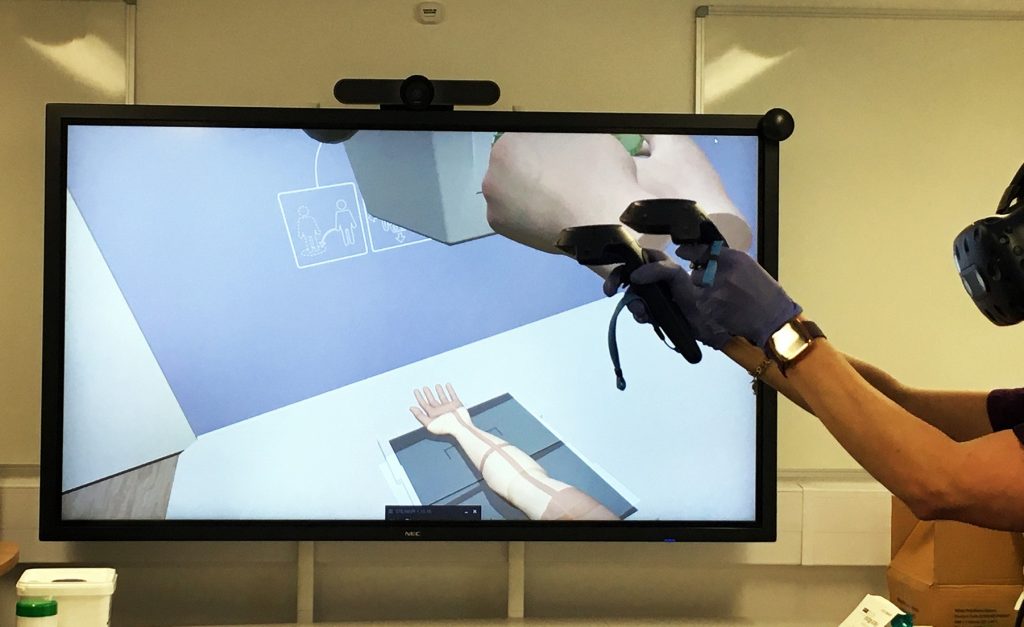
Diagnostic Radiography students in Medical Imaging at the University of Exeter College of Medicine and Health have been using virtual reality (VR) x-ray rooms, allowing them to enhance their clinical skills training by practising techniques learned in their x-ray room sessions.

From in-class tests to essays to presentations, there are many ways in which module leads can assess their students’ understanding.

Emerging from the COVID-19 pandemic will bring challenges and opportunities for education, and three Exeter students recently had the chance to quiz Professor Tim Quine, Deputy Vice-Chancellor (Education), to canvass his views.
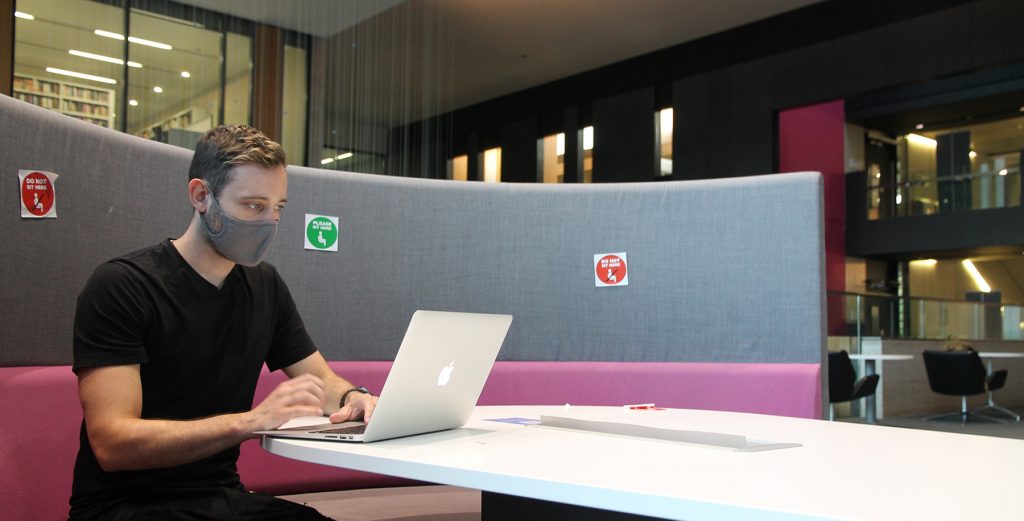
Teaching students who join a session together, either from campus or online, has become an increasing feature of the last 12 months.

Over 400 events took place on campus in the University’s inaugural Festival of Discovery. Held over a 2-week period from late May, the event aimed to bring our whole university community closer together to enjoy a range of on-campus and online activities.

Field courses are a capstone of many degree programmes, facilitating immersive and experiential learning opportunities. Students can engage with various aspects of their chosen field in situ, in an authentic and often applied way.
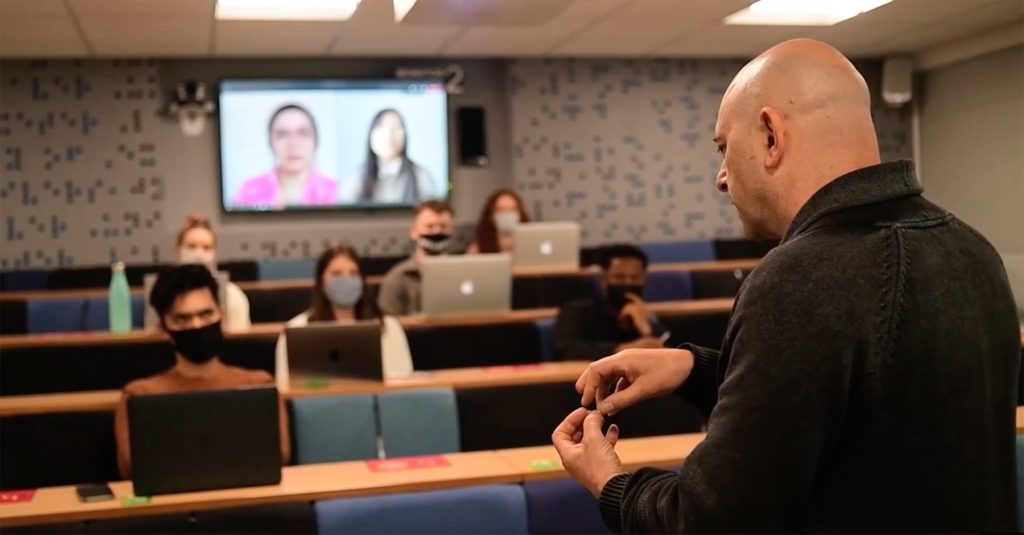
One of the many challenges faced by educators over the last year is delivering teaching concurrently to both students present in the room and also joining online through Teams or Zoom.

Since autumn 2020, Physics students at the University of Exeter have been working with real-life quantum computers, thanks to the IBM Quantum Educators Program.

University life is about more than just studying. It’s about building social connections – friendships and relationships that can shape you forever.

The COVID-19 pandemic has placed a sharp focus on online learning, so where do Massive Open Online Courses – MOOCs – fit into the picture?
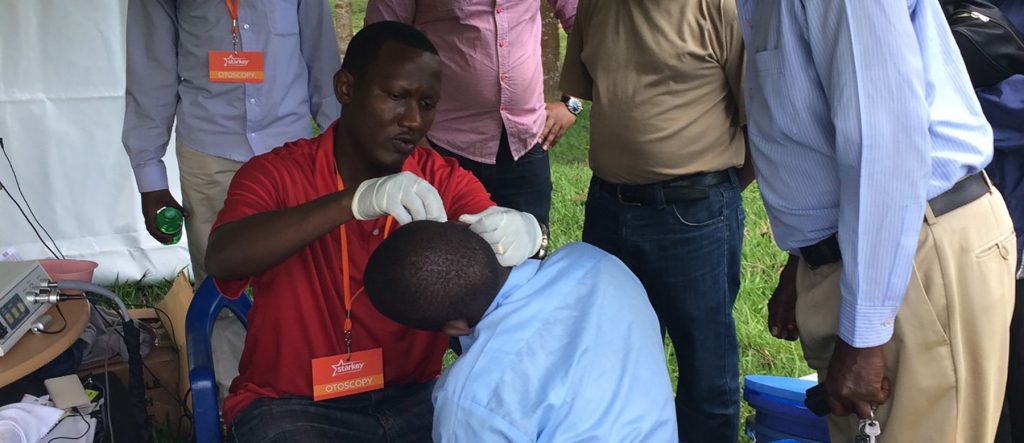
The COVID-19 pandemic has placed the importance of public health and primary care into sharp focus – not only in treating people with Covid, but to facilitate vaccine distribution.

This year marked two important milestones for the University’s Undergraduate Research Showcase: the annual event celebrated its fifth birthday, and, for the first time ever, it took place all online.

As the Covid-19 pandemic has progressed, mental health has become almost as much of a concern as physical health.

Pandemic-era higher education conversations have tended to focus more on the issues of undergraduates and taught postgraduates, rather than postgraduate researchers (PGRs) - an issue repeatedly raised on a national stage by Professor Andrew McRae, Dean of Postgraduate Research and the Exeter Doctoral College.

Throughout the pandemic, one of the most common pedagogical questions has been: ‘How can I help my students feel connected?’
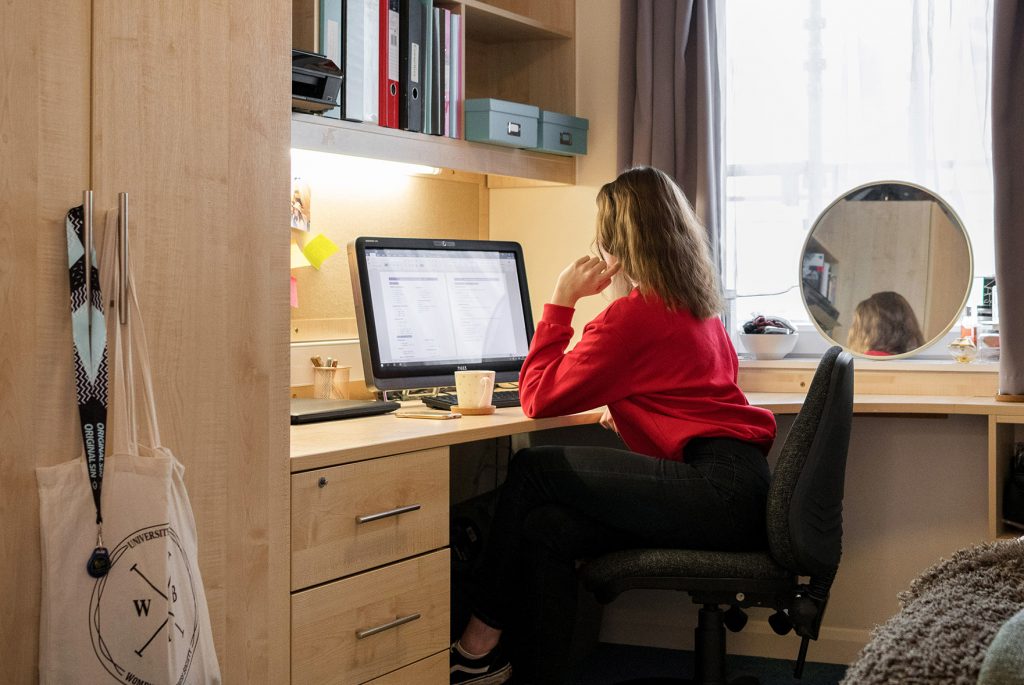
For many students, the accelerated move to digital learning in 2020/21 has posed a number of challenges. But it’s also had its advantages.
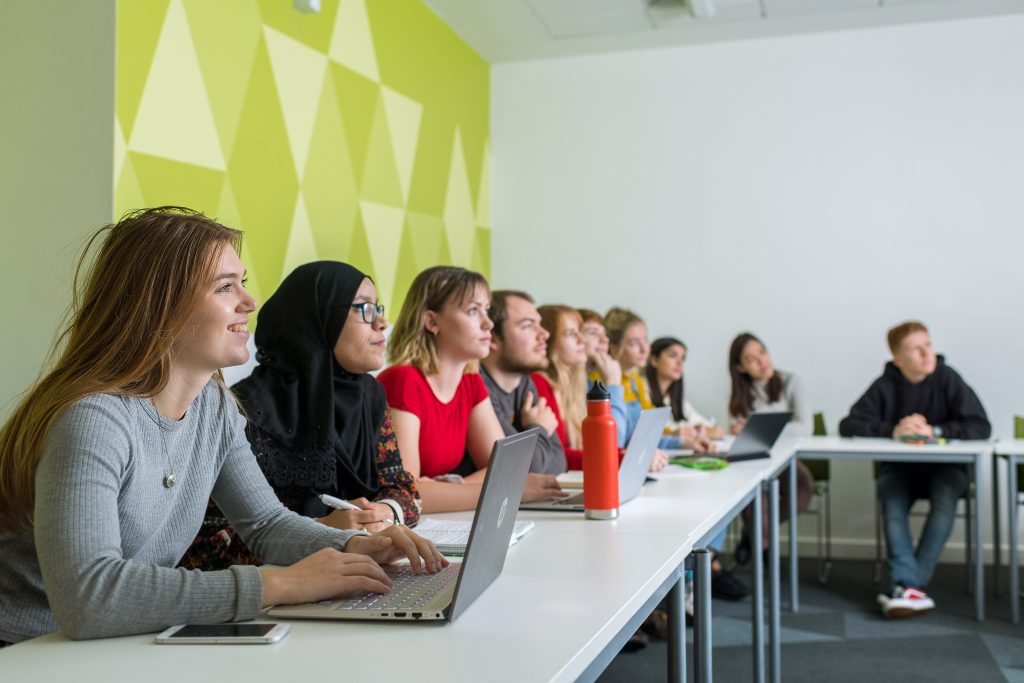
Grand Challenges week plays a key role in the Exeter calendar, giving students the opportunity to work in cross-discipline groups to design innovative solutions to real world challenges.

Back-to-school supply lists commonly include items like notebooks and pens, but these days you might find an unexpected addition: LEGO® bricks.
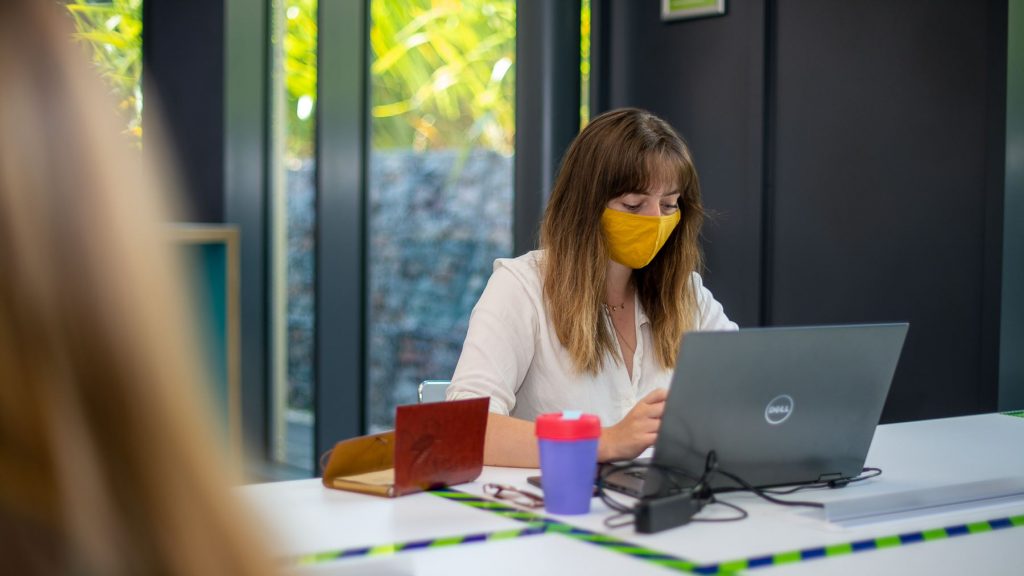
At the University of Exeter, the Academic Personal Tutor plays a key role as the first point of contact for students.

In April 2020, the University of Exeter faced the same dilemma as most other universities: how to move most or all of its teaching online in just a few months?

For departments like Geography and the Camborne School of Mines, the COVID-19 pandemic has posed a particularly difficult challenge.
Choose which optional services may run. Necessary cookies used to make the website work are not affected.
Allows analytics tools to measure how the website is used.
Allows content from third-party services such as YouTube to load.